Eco-Friendly Fabric Coloring: Exploring Natural And Plant-Based Dyes
Your favorite bright shirt might be hiding a dirty secret: toxic chemicals that can irritate your skin and harm the environment. You can stop relying on synthetic tints today. Let's look at how you can use natural dyes from your own kitchen to create beautiful, safe colors.
Finding Color In Nature: Types Of Plant-Based Dyes
When you step outside or look in your pantry, you are surrounded by potential color. Plant-based dyes come from a variety of organic sources, each offering a unique palette that synthetic colors cannot match. Unlike factory-made pigments, these colors have a soft, living quality that shifts beautifully in different lights.
Roots, Bark, And Leaves
Many of the strongest botanical dyes come from the hard parts of a plant.
Madder Root: One of the oldest sources of deep reds and oranges. You can buy it in powdered form or as dried root chunks.
Indigo: Known for its deep blues, indigo comes from the leaves of the Indigofera plant. It requires a specific fermentation process, but the results are world-famous.
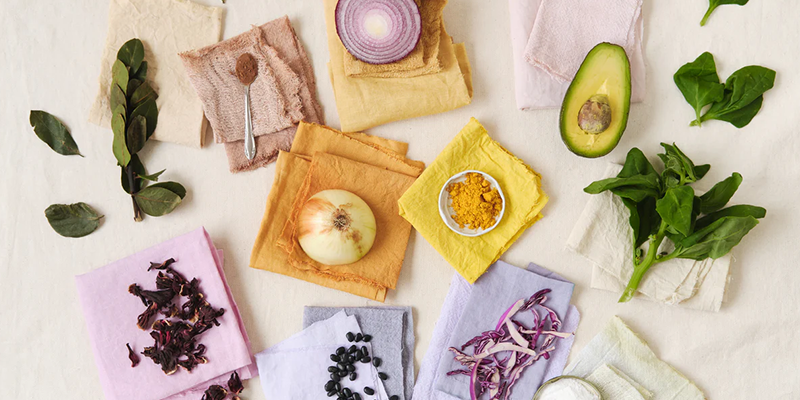
Eucalyptus Leaves: These can range from soft tan to deep rust and even bright orange, depending on the species and the pot you use.
Vegetable Dyes From Your Kitchen
You don't need to be an expert forager to start. Some of the best vegetable dyes are actually food scraps you usually throw away.
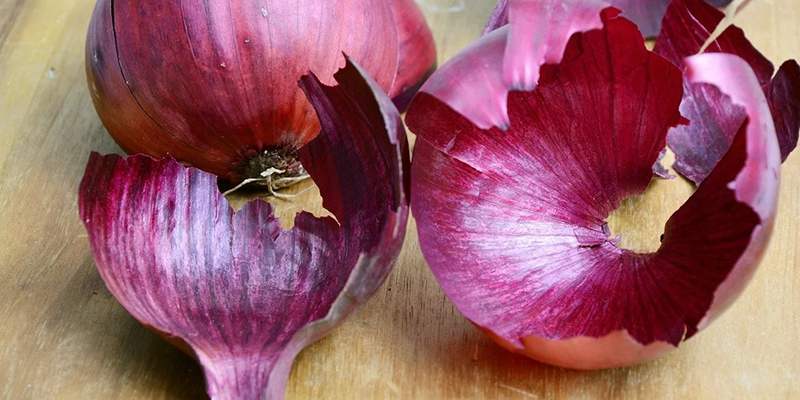
Onion Skins: Yellow onion skins create a rich burnt orange or gold, while red onion skins can produce soft greens or browns.
Avocado Pits and Skins: Surprisingly, these don't make green. They produce a lovely, dusty pink or millennial pink, which is very popular in sustainable fashion.
Black Beans: If you soak dry black beans overnight, the leftover water can dye fabric a soft, ethereal blue or purple.
Preparing Your Fabric For Botanical Dyes
One of the biggest mistakes beginners make is jumping straight into the dye pot. If you don't prepare your fabric, the color will wash down the drain the first time you do laundry. This preparation involves two main steps: scouring and mordanting.
Scouring: The Deep Clean
Even new fabric from the store has oils, waxes, or finishes on it that block dye. To scour cotton or linen, boil it in a large pot with a little dish soap and soda ash for about an hour. You will be surprised at how yellow the water turns. For wool or silk, use a milder soap and keep the temperature below a simmer to avoid shrinking the fibers.
Mordanting: The Glue For Color
A mordant is a mineral that acts as a bridge between the fabric and the natural dyes. Without it, most colors will fade quickly in the sun or wash out.
Alum (Potassium Aluminum Sulfate): This is the most common and safest mordant. You can find it in the spice aisle of most grocery stores. It doesn't change the dye's color much, keeping the tones bright.
Iron (Ferrous Sulfate): Iron is a sedative. It shifts colors to darker, moodier versions. For example, it can turn yellow dye into olive green or pink dye into grey.
Soy Milk: For those who want a completely chemical-free path, dipping fabric in a diluted soy milk bath helps proteinize plant fibers like cotton, making them take up plant-based dyes more effectively.
Step-By-Step Guide To The Dyeing Process
Once your fabric is prepped and your mordant is set, you are ready to start the actual coloring. This process is more akin to slow cooking than to industrial painting.
1. Extract the Pigment: Place your chopped plants, roots, or vegetable dyes in a large stainless steel pot. Cover them with plenty of water and bring to a simmer. Avoid a rolling boil, as high heat can cause delicate colors to brown. Let this cook for about an hour until the water is dark.
2. Strain the Liquid: Use a cheesecloth or fine strainer to remove all the plant bits. If you leave them in, they can cause hot spots or uneven splotches on your fabric.
3. Add the Fabric: Wet your pre-mordanted fabric with plain water first so it takes the dye evenly. Submerge it in the dye pot.
4. The Wait: Let the fabric simmer in the dye for 45 to 60 minutes. Stir it gently every few minutes to make sure the dye reaches every fold.
5. Cooling and Rinsing: Turn off the heat and let the fabric cool in the pot overnight if you want a deeper shade. When you're ready, rinse the fabric in cool water until the water runs clear. Hang it to dry out of direct sunlight.
The Environmental Edge Of Natural Dyes
The textile industry is one of the largest polluters of fresh water globally. Synthetic dyes often contain heavy metals such as chromium, copper, and zinc, which end up in rivers and kill aquatic life. By switching to natural dyes, you are choosing a path that is much kinder to the earth.
Biodegradability
Because botanical dyes come from the earth, they can return to it. The leftover water from an onion skin dye pot is rich in nutrients and can often be poured directly onto your garden (as long as you haven't used toxic mordants).
Safety For Sensitive Skin
Many people find that synthetic clothing causes rashes or mysterious skin irritations. This is often due to the formaldehyde and heavy metals used in the dyeing and finishing process. Plant-based dyes are generally non-toxic and much safer for baby clothes or for people with chemical sensitivities.
Choosing Between Natural And Synthetic Options
It is important to have realistic expectations when working with nature. Here is a quick look at how natural dyes compare to the bottles of dye you find at the craft store.
Color Range: Synthetic dyes can give you neon pinks and electric blues. Natural dyes usually offer earthy tones—terracotta, mustard, sage green, and soft indigo.
Consistency: Every batch of vegetable dyes will be slightly different. The soil the plant grew in, the time of year it was picked, and even the mineral content of your tap water will change the result. This makes every piece you create a one-of-a-kind original.
Lightfastness: Natural colors are more sensitive to the sun. While synthetic dyes are designed to remain the same for years, natural colors may soften and age over time, much like a pair of leather boots or a wooden table.
Tips For Long-Lasting Color
If you want your naturally dyed items to stay bright, you have to change how you handle them. You can't just throw them in a hot wash with harsh detergents.
1. Use pH-Neutral Soap: Many common laundry detergents are very alkaline, which can instantly change the color of botanical dyes. Look for a gentle, pH-neutral soap specifically made for wool or fine hand-washables.
2. Wash Cold: Heat is the enemy of natural color. Always use cold water for both washing and rinsing.
- Dry in the Shade: UV rays act as a natural bleach. If you hang your indigo shirt in the bright afternoon sun every week, it will fade to a pale blue much faster than if you dry it indoors or in a shady spot.
- Store Properly: Keep your items in a dark drawer or closet when you aren't wearing them to protect the color from ambient light.
Why Natural Dyeing Is Worth The Effort
In a world of fast fashion and disposable goods, taking the time to color a piece of fabric with natural dyes is a way to slow down. It connects you to the seasons and the plants growing in your own neighborhood. Whether you are a hobbyist looking for a new craft or a designer trying to make your brand more sustainable, plant-based dyes offer a creative, safe, and deeply rewarding path.
By using vegetable dyes and other organic sources, you aren't just making a shirt—you are keeping a traditional skill alive and protecting the water we all drink. The next time you peel an onion or eat an avocado, save those scraps. You are just one pot of water away from your next beautiful, eco-friendly creation.
Getting Started With Your First Project
You don't need a huge budget or a professional studio to begin your journey with natural dyes. Start small with a single cotton tote bag or an old white t-shirt. Use what you have in your kitchen, like turmeric or onion skins, to get a feel for how the fabric reacts to the color. As you get more comfortable, you can experiment with different mordants and more complex botanical dyes. The beauty of this process is that there are no mistakes—only different shades of nature. Enjoy the process of watching a plain piece of cloth turn into something vibrant and full of life.
Related Posts
Jewelry for Casual Outfits A Practical Guide to Elevating Everyday Style with Simple Accessories

Why Cheap Clothes Are Actually Expensive in the Long Run
How Recycled Polyester Reduces Waste And What To Check

Future Trends In Sustainable Luxury: Insights For Brands

Microplastics: How Your Clothes Contribute And How To Reduce It